

Modular Interiors in BangaloreModular Doesn't
Just Mean
Factory-Made.
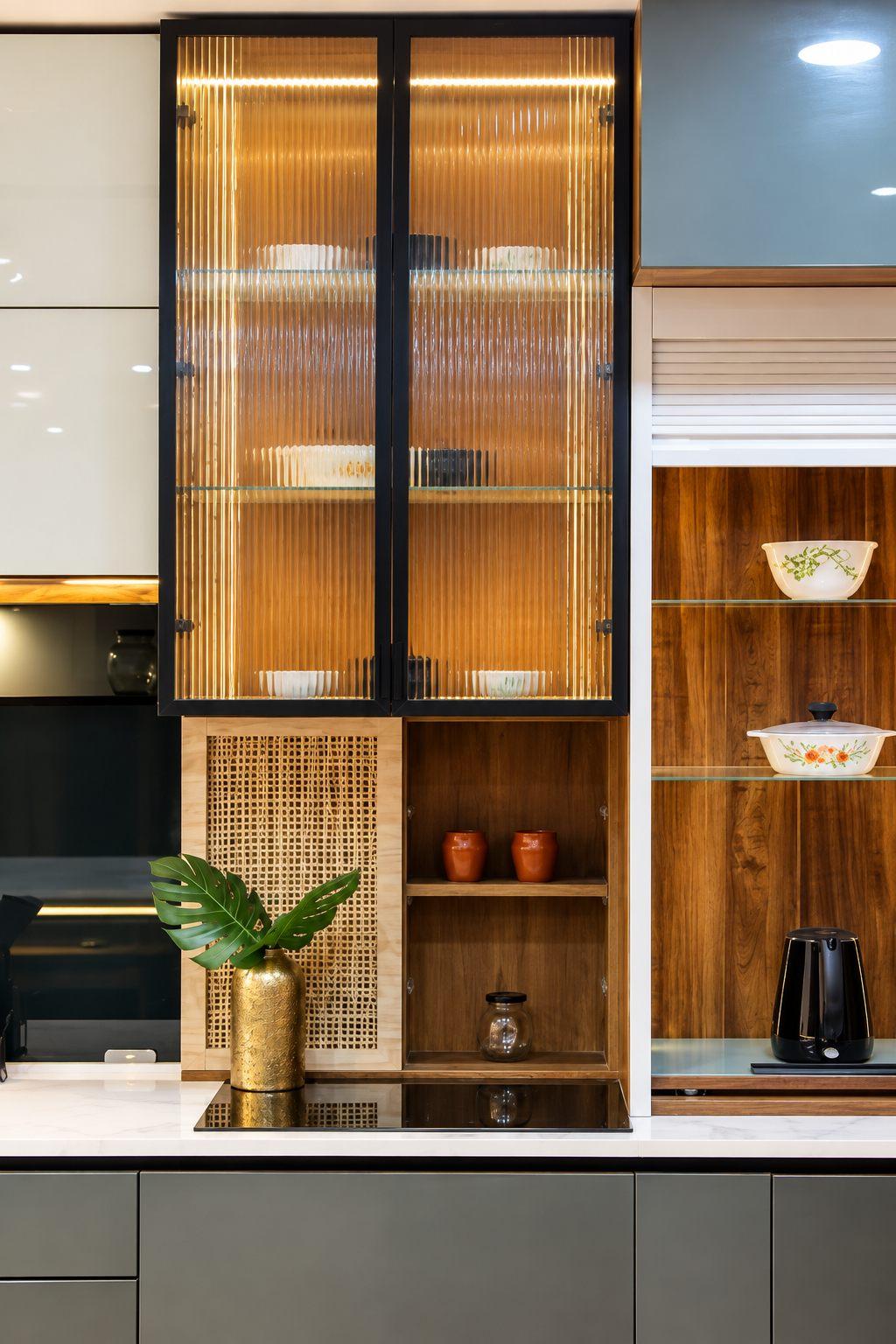
For Willow, modularity is a system — not a manufacturing method. It involves how a product is designed, built, assembled, installed and serviced.
What Modular
Means Here.
“A product is modular when any component can be removed and replaced without unnecessarily damaging the surrounding system.”
This is not simply a description of furniture manufactured in a factory. Achieving this requires thinking about more than manufacturing alone.
It involves how a product is designed, how it is manufactured, how it is assembled, how it is installed — and whether it can be serviced in the real world, years after the project is complete.
Five Stages.
One System.
STAGE 01 OF 5
Design
Modularity begins at the design stage. Components must be conceived as individual, serviceable units — not as a single monolithic form.
Design
Modularity begins at the design stage. Components must be conceived as individual, serviceable units — not as a single monolithic form.
Manufacturing
Each component is manufactured to a documented standard. Controlled processes allow components to be reproduced consistently when replacement is needed.
Assembly
Assembly methods determine whether a component can be removed cleanly. How parts connect matters as much as what they are made of.
Installation
Installation must account for future access. A product installed without thought for serviceability is not truly modular — regardless of how it was manufactured.
Serviceability
The system is only modular if a component can be removed and replaced in the real world — without unnecessarily damaging the surrounding structure.
Understanding
the Product
as a System.
A modular system should allow individual components to be understood, accessed and serviced — not just assembled and forgotten.
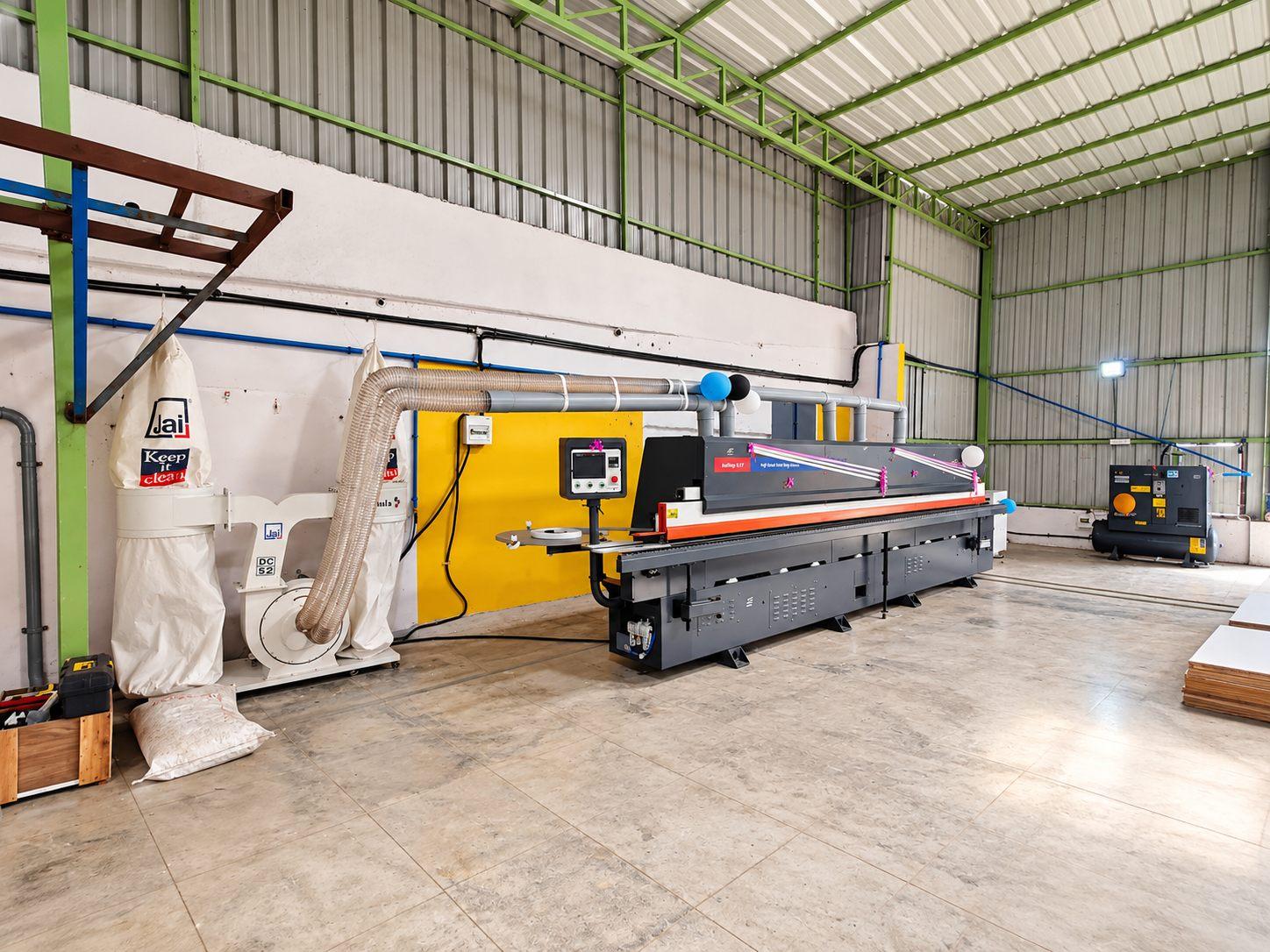
The sequence below shows how Willow thinks about a modular product: from the complete installed unit, through its individual components, to the ability to remove and replace a part without damaging the surrounding structure.
THE SEQUENCE
COMPLETE PRODUCT
The finished installed unit
WILLOW MANUFACTURING · CUSTOM DIMENSIONS
Custom Doesn't
Always Mean
Completely Custom.
Custom dimensions do not necessarily require a completely custom manufacturing method every time.
Willow can work with custom dimensions while using standardised manufacturing methods where appropriate. This is part of how modularity and repeatability coexist — even in projects where every space is different.
The goal is not to force every project into a fixed catalogue. It is to apply controlled, documented processes to whatever the project requires.
Built to Last
Beyond Installation.
Modularity is not a feature. It is a set of decisions made at every stage of the process — decisions that determine whether a product remains manageable over its useful life.
Willow does not claim that every component can always be replaced under every circumstance. What we aim for is a system where replacement is possible without unnecessary damage — and where the process supports that goal from the beginning.
Modularity Begins
on the Factory Floor.
Willow's approach to modularity is directly connected to its manufacturing capability. The way components are designed, documented and produced determines whether they can be serviced later.
Manufacturing is not separate from the modularity philosophy. It is where the philosophy becomes real.
Explore Manufacturing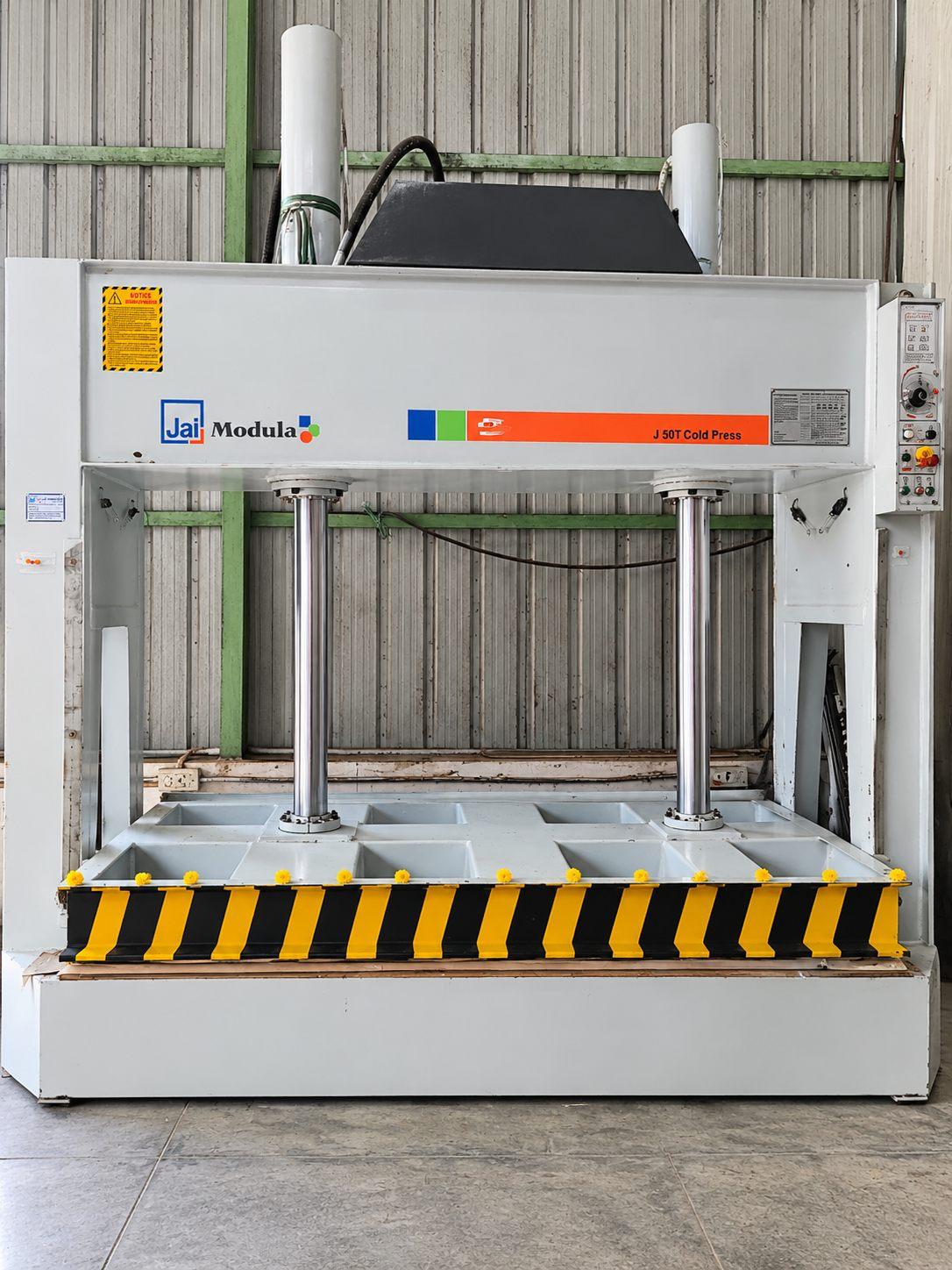
WILLOW HOME INTERIORS · BANGALORE
Blue on Mars →Applied to Every
Willow Home Interior.
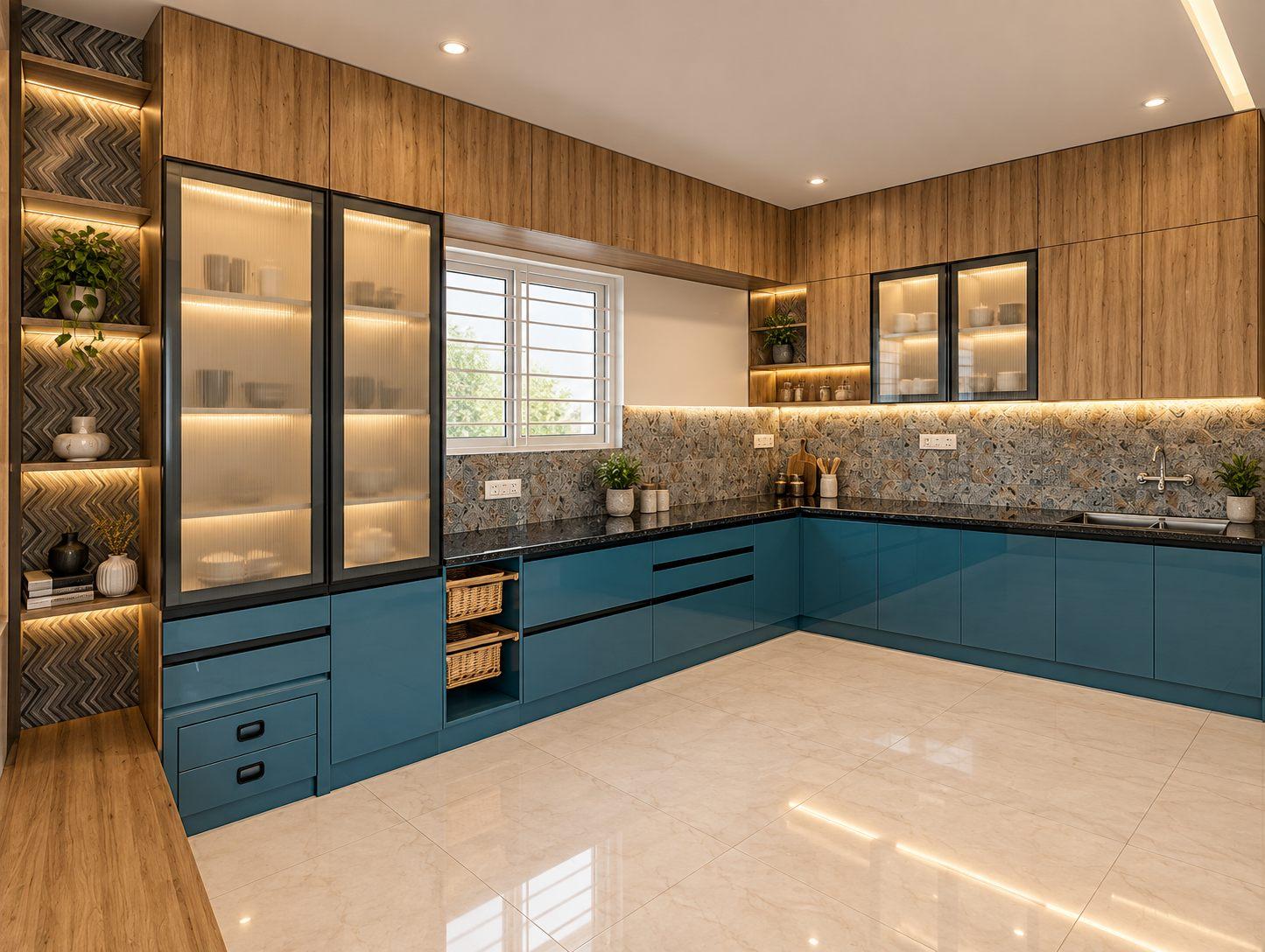
This approach to modularity is applied to the modular products used in Willow home interiors — kitchens, wardrobes, TV units, crockery units, beds, vanities and more.
The goal is not just a beautiful interior at handover. It is an interior that remains manageable over its useful life.
Explore Home InteriorsWe Decided Not to Make the Same Mistake Twice.
Willow's approach to modularity is not theoretical. It developed through real project execution — through problems encountered, investigated and documented.
When a process fails, a material underperforms or an execution problem repeats, we investigate what happened, document the learning and improve the system. That is how the modularity philosophy was refined — not in a design studio, but on real projects.
That approach to manufacturing and execution eventually contributed to EIS — Ennezz Interior Standards. EIS is an internal framework developed through real project work — not an official universal industry standard.
Modular interiors — common questions
A product is modular when any component can be removed and replaced without unnecessarily damaging the surrounding system. For us that is a whole system — how a product is designed, manufactured, assembled, installed and serviced — not just furniture made in a factory.
Yes. We work with custom dimensions while using standardised manufacturing methods where appropriate, so every space can be different without needing a completely custom method each time.
Because a component can be repaired or replaced without dismantling the whole, parts can be reproduced consistently, and the interior stays manageable over its useful life — not just on handover day.
Not under every circumstance. What we aim for is a system where replacement is possible without unnecessary damage, planned from the design stage onwards.
Kitchens, wardrobes, TV units, crockery units, beds, vanities and more.
Planning Your Home Interiors in Bangalore?
Tell us what you're planning. We'll start by understanding the project.